Choosing the wrong manifold configuration doesn’t just cost money — it creates calibration hazards and unnecessary leak points in a live process line. The right instrumentation manifold valve for your application comes down to one core question: how many functions does this measurement point actually need?
Here’s a practical guide to getting that decision right.
What Is an Instrumentation Manifold Valve?
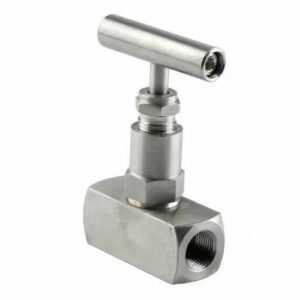
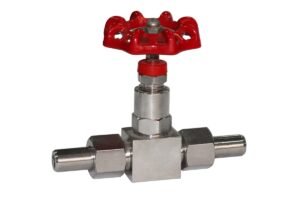
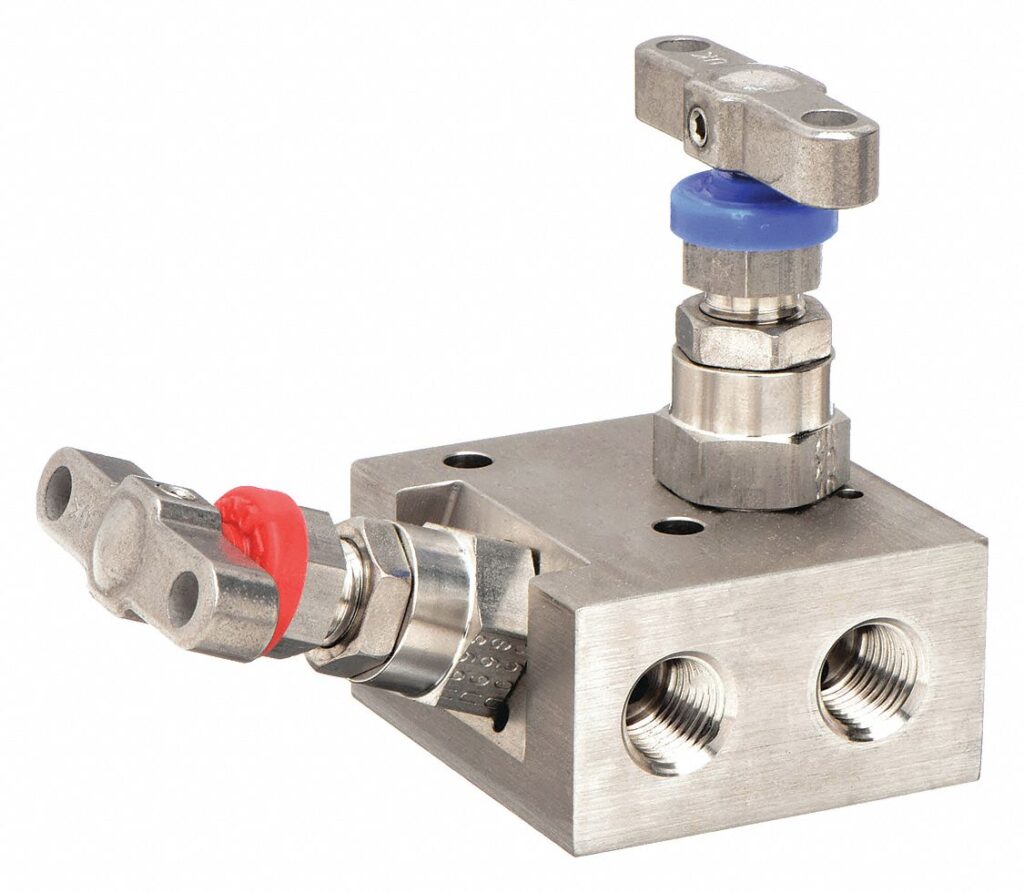
An instrumentation manifold valve is a compact assembly that connects a pressure instrument — gauge, transmitter, or switch — to a process line, combining isolation, equalisation, and venting functions into a single block. Instead of installing multiple separate valves to perform these functions, a manifold integrates them, reducing the number of connections, minimising potential leak paths, and simplifying maintenance.
This is why instrumentation manifold valves are standard across oil and gas, petrochemical, power generation, and chemical process applications — wherever precise, safe pressure or differential pressure measurement is critical.
2-Valve Manifolds: Isolation-Only Applications
A 2-valve manifold performs one function: isolation. It has an isolation valve (to shut off the instrument from the process) and a vent/drain valve.
When to specify a 2-valve manifold:
- Single-point pressure measurement — gauges or pressure transmitters measuring gauge or absolute pressure on a single process tap
- Applications where equalisation between high and low sides isn’t required
- Space-constrained installations where a minimal-footprint manifold is needed
If your instrument only sees one process connection and calibration simply requires isolating from the line, a 2-valve manifold is the right call. Adding a 3 or 5-valve assembly where a 2-valve assembly is sufficient adds unnecessary complexity and cost.
3-Valve Manifolds: The Standard for Differential Pressure Service
A 3-valve manifold adds an equalisation valve to the isolation function. It has two isolated valves (one on the high side, one on the low side) and one equalising valve connecting both sides of the instrument.
When to specify a 3-valve manifold:
- Differential pressure transmitters on gas, air, or clean liquid service
- Flow measurement applications using an orifice plate, venturi, or pitot tube
- Level measurement in open tanks
The equalise valve allows the engineer to bring both sides of a DP transmitter to the same pressure during calibration or zeroing, without draining the line. For most DP applications on clean, non-hazardous service, a 3-valve manifold is the industry-standard configuration.
5-Valve Manifolds: Full Isolation, Equalisation, and Venting
A 5-valve manifold adds two vent valves — one on each side — to the 3-valve configuration. This allows both the high and low sides to be fully vented or drained independently.
When to specify a 5-valve manifold:
- DP transmitters on steam, condensate, corrosive liquid, or hazardous fluid service where full venting before maintenance is required
- Applications where the instrument may need to be removed from service without draining the entire line
- High-integrity systems where independent verification of isolation on both sides is required before instrument removal
The additional vent valves aren’t redundant — on steam or hazardous service, the ability to fully vent each side of the manifold independently before breaking a connection is a genuine safety requirement, not a specification upgrade.
Quick Selection Reference
| Requirement | Specify |
| Single-point pressure, gauge or absolute | 2-Valve Manifold |
| DP measurement, clean gas or liquid service | 3-Valve Manifold |
| DP measurement, steam, condensate, or hazardous fluid | 5-Valve Manifold |
| Full venting required before instrument removal | 5-Valve Manifold |
FAQs
1. Can a 3-valve manifold replace a 5-valve on steam service?
Not safely. Without individual vent valves on both sides, you can’t fully depressurise and drain each leg before disconnecting the instrument — a requirement on steam and condensate service. Specifying a 3-valve on steam is a common and avoidable maintenance hazard.
2. What materials are instrumentation manifold valves available in?
SS 316, SS 304, and carbon steel cover most process conditions. SS 316 is the standard choice for corrosive or high-chloride environments; carbon steel suits non-corrosive applications where cost is a priority.
3. What connection types are available?
Threaded, flanged, and tube-end connections are all available depending on the process line and instrument type.
Metalok Industries manufactures instrumentation manifold valves in 2, 3, and 5-valve configurations, rated up to 6000 PSI, in SS 316, SS 304, and carbon steel. View the full manifold valve range →