As industrial automation accelerates and Industry 4.0 technologies become the standard, accurate temperature measurement remains essential for maintaining process efficiency and equipment reliability. Selecting the right types of thermowells is no longer just about protecting a temperature sensor—it’s about ensuring operational safety, reducing downtime, and enabling reliable process monitoring.
Whether you’re designing a new processing plant or upgrading an existing facility, understanding the different types of thermowells can help improve measurement accuracy and extend the lifespan of temperature instruments.
What Is a Thermowell?
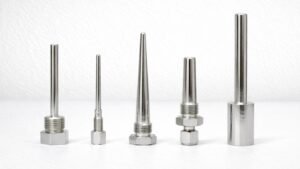
A thermowell is a protective fitting that houses temperature sensors such as RTDs, thermocouples, or thermometers. Installed directly into process pipelines, tanks, or vessels, it shields the sensor from pressure, corrosion, high flow velocities, and harsh process media while allowing sensor replacement without interrupting plant operations.
As smart manufacturing continues to evolve, thermowells also play an important role in supporting predictive maintenance and continuous process monitoring.
Common Types of Thermowells
Choosing among the various types of thermowells depends on process conditions, installation methods, pressure ratings, and maintenance requirements.
1. Threaded Thermowells
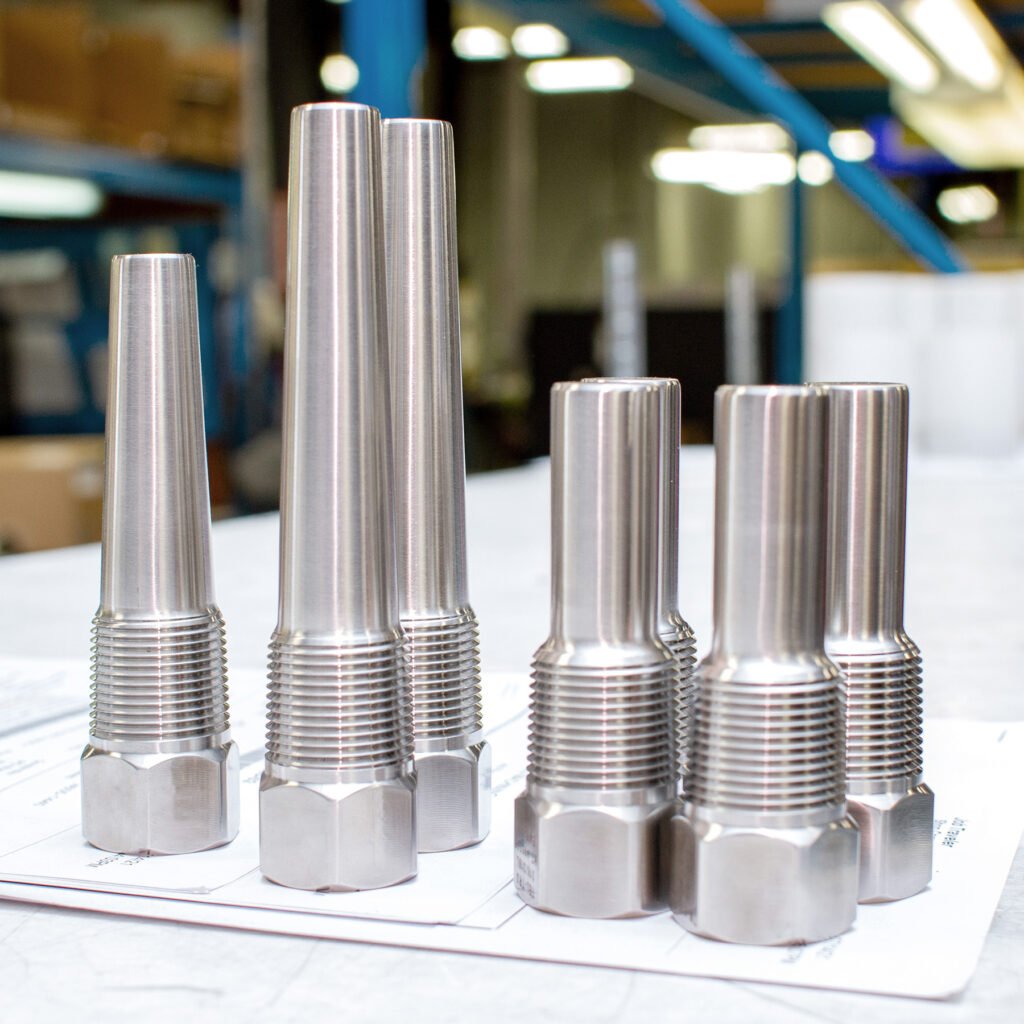
Threaded thermowells are widely used in low- to medium-pressure applications. They are easy to install and remove, making them suitable for general industrial processes where frequent maintenance may be required.
Typical applications include:
- Water treatment plants
- HVAC systems
- Food processing
- Pharmaceutical manufacturing
- Utility pipelines
2. Flanged Thermowells
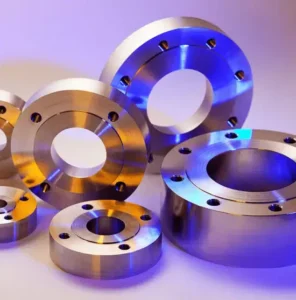
Flanged thermowells are designed for high-pressure and high-temperature applications where secure installation is essential. The flange provides a strong mechanical connection capable of handling demanding operating environments.
Common industries include:
- Oil & Gas
- Petrochemical plants
- Power generation
- Chemical processing
- Refineries
3. Socket Weld Thermowells
Socket weld thermowells are permanently welded into piping systems, providing excellent leak protection and structural integrity. They are commonly selected where vibration and pressure fluctuations are significant.
Ideal applications include:
- Steam systems
- High-pressure pipelines
- Industrial boilers
- Process manufacturing
4. Weld-In Thermowells
Weld-in thermowells provide one of the strongest installation methods available. They are directly welded into tanks or pipelines, offering maximum durability for continuous industrial operations.
These thermowells are often used in:
- Heavy engineering
- Process industries
- Offshore facilities
- High-temperature production environments
5. Van Stone Thermowells
Van Stone thermowells feature a rotating flange design that simplifies alignment during installation. They are particularly useful in applications requiring flexible flange positioning while maintaining secure sealing.
Materials Matter
Different types of thermowells are manufactured using materials selected according to operating conditions.
Common material options include:
- Stainless Steel 304
- Stainless Steel 316
- Monel
- Inconel
- Hastelloy
- Duplex Stainless Steel
Material selection depends on factors such as:
- Corrosion resistance
- Operating temperature
- Process pressure
- Chemical compatibility
- Mechanical strength
Factors to Consider Before Choosing a Thermowell
Selecting the right thermowell involves more than simply choosing an installation type.
Process Temperature
Higher operating temperatures require materials capable of maintaining structural integrity over long periods.
Pressure Rating
High-pressure systems generally require flanged or welded thermowells to ensure safe operation.
Flow Velocity
High flow rates increase vibration forces on thermowells. Proper design calculations help prevent fatigue failures.
Corrosive Media
Chemical compatibility is essential for extending service life and reducing maintenance costs.
Sensor Compatibility
Ensure the thermowell dimensions match the RTD or thermocouple specifications for accurate temperature measurement.
Thermowells in Industry 4.0
Modern industrial facilities increasingly rely on connected sensors, Industrial IoT, and predictive maintenance systems. Properly selected thermowells improve the reliability of temperature data collected by smart monitoring platforms.
Benefits include:
- Improved process accuracy
- Reduced sensor replacement costs
- Enhanced equipment protection
- Increased plant safety
- Better predictive maintenance capabilities
- Higher operational efficiency
As Industry 4.0 adoption grows, thermowells continue to serve as a critical component in intelligent process control systems.
Conclusion
Understanding the different types of thermowells is essential for selecting the right solution for your industrial application. From threaded and flanged designs to weld-in and socket weld options, each type offers unique advantages depending on pressure, temperature, and installation requirements.
As manufacturing facilities embrace digital transformation in 2026, investing in the appropriate thermowell design helps improve process reliability, supports predictive maintenance initiatives, and ensures long-term performance in demanding industrial environments.