Industrial systems often require precise control over the movement of liquids and gases. In instrumentation and process systems, even small adjustments to flow can matter.
Needle valves are designed for applications where controlled flow regulation is required. However, valve performance depends on factors such as construction, material, pressure rating and manufacturing quality.
For this reason, selecting the right needle valve manufacturer should be treated as a technical decision rather than simply a purchasing exercise.
What Is a Needle Valve?
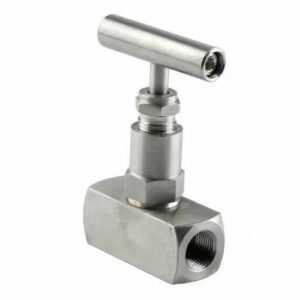
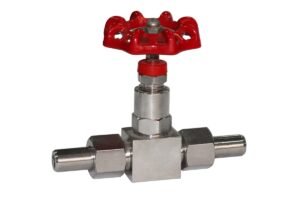
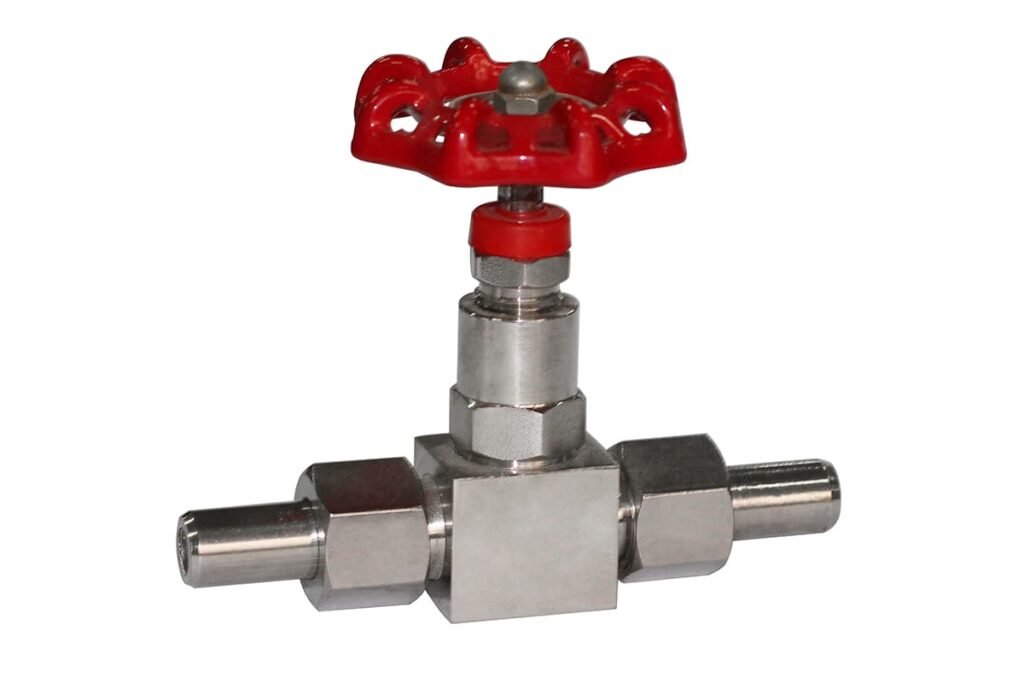
A needle valve is a type of valve designed for precise flow control. It uses a narrow, needle-shaped component that moves towards or away from the valve seat as the valve is operated.
This design allows flow to be adjusted gradually, making needle valves useful in instrumentation and other systems requiring controlled flow.
Where Are Needle Valves Used?
Needle valves can be found in a range of industrial applications.
They are commonly used in instrumentation systems, pressure measurement arrangements, hydraulic systems, pneumatic systems and process control applications.
Industries such as oil and gas, chemical processing, petrochemical manufacturing and power generation may use needle valves as part of their process or instrumentation systems.
Material Selection
The material of the valve should be appropriate for the process environment.
Stainless steel is commonly used where corrosion resistance and durability are important. Other materials may be selected depending on temperature, pressure and media compatibility.
The material should not be selected solely based on general industry preference. The actual fluid or gas, operating conditions and surrounding environment need to be evaluated.
Pressure and Temperature Ratings
Industrial valves operate under different conditions.
A suitable valve needs to have pressure and temperature ratings compatible with the application. Using a valve outside its intended operating range can affect system performance and safety.
When selecting a manufacturer, buyers should request clear specifications for the valve’s operating capabilities.
What Makes a Reliable Needle Valve Manufacturer?
A capable manufacturer should demonstrate consistency in product quality and manufacturing processes.
Consider whether the manufacturer offers:
- Appropriate material options
- Consistent manufacturing
- Quality inspection
- Pressure testing
- Leakage testing
- Technical specifications
- Material documentation
- Product traceability
Manufacturing experience in the relevant industry can also be valuable because industrial applications often involve specific technical requirements.
Connection and Configuration
Needle valves can be supplied with different connection configurations.
Depending on the installation, a project may require threaded connections, tube connections or other configurations.
The connection must be compatible with the surrounding piping or instrumentation components.
Customisation and Technical Support
Industrial projects do not always use standard configurations.
Some applications may require particular materials, dimensions, pressure ratings or connection arrangements.
A manufacturer capable of discussing these requirements can be more useful than a supplier that only offers a limited standard range.
Documentation and Quality Assurance
Documentation can be particularly important for industrial procurement.
Depending on the project, buyers may require material certificates, test reports, product specifications or other documentation.
These records can help project teams verify that the supplied valve meets the required specifications.
Conclusion
Choosing a needle valve manufacturer requires attention to more than product availability and price.
Material quality, pressure and temperature capability, connection type, testing, documentation and manufacturing consistency should all be considered.
By evaluating these factors before purchase, industrial businesses can make more informed decisions and select needle valves better suited to their operating requirements.