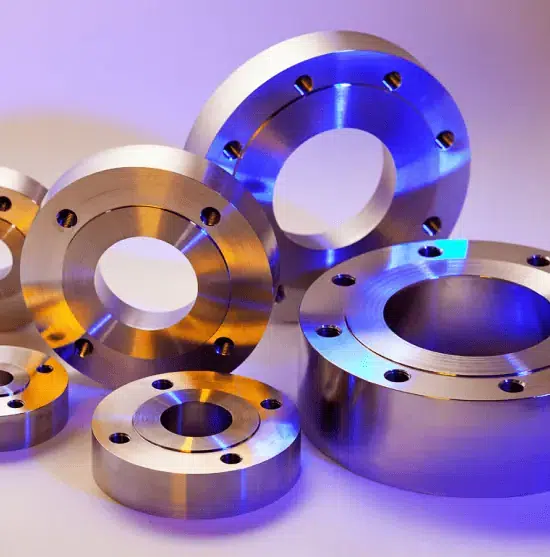
Flanges are important components in many industrial piping systems. They provide detachable connections between pipes, valves, equipment and other components, allowing systems to be assembled, inspected and maintained more efficiently.
However, choosing the right flange is not simply a matter of selecting a size. Material, pressure rating, connection type, dimensions and operating conditions all need to be considered.
For industrial projects, selecting a capable industrial flanges supplier can therefore be an important part of the procurement process.
What Are Industrial Flanges?
An industrial flange is a mechanical component used to create a connection between sections of a piping system or between piping and equipment.
Flanges are generally connected using bolts and a gasket, creating a joint that can be separated when maintenance or inspection is required.
Their use can make certain piping arrangements easier to install and maintain compared with permanently joined connections.
Common Types of Industrial Flanges
Different flange designs serve different purposes.
Weld neck flanges are commonly used in demanding applications where a robust connection is required.
Slip-on flanges fit over the pipe and are welded into position.
Blind flanges are used to close the end of a piping system or unused connection.
Socket weld flanges can be used with smaller-diameter piping systems, while threaded flanges provide a connection without welding in suitable applications.
Lap joint flanges are another option where frequent disassembly may be required.
The correct design depends on the piping arrangement and operating conditions.
Material Selection Matters
Industrial flanges are available in materials such as stainless steel, carbon steel and alloy steel.
Material selection should take into account the process medium, operating temperature, pressure and surrounding environment.
For corrosive environments, a suitable stainless steel or alloy may be considered. For other applications, carbon steel may provide an appropriate balance of strength and cost.
The material should always be selected according to the technical requirements of the project.
Pressure and Temperature Requirements
A flange must be capable of operating safely within the pressure and temperature conditions of the system.
Pressure ratings help indicate the operating conditions for which a flange is designed. Temperature can also influence material performance and gasket selection.
Using a flange without considering these factors can create avoidable risks in the piping system.
Dimensions and Applicable Standards
Correct dimensions are essential when sourcing flanges.
Important considerations can include pipe size, bolt-hole arrangement, flange thickness, outside diameter and connection configuration.
Projects may also specify particular industry standards. The supplier should be able to provide products that correspond to the required specifications and provide appropriate technical information.
Choosing an Industrial Flanges Supplier
Supplier capability can have a direct impact on procurement quality.
When evaluating an industrial flanges supplier, consider manufacturing experience, product range, quality-control procedures, material traceability and documentation.
For larger industrial projects, delivery capability is also important. Delays in receiving critical piping components can affect installation schedules and project timelines.
A reliable supplier should be able to understand the technical requirements rather than simply providing a product based on a basic size description.
Applications of Industrial Flanges
Flanges are used across many industries, including:
- Oil and gas
- Chemical processing
- Petrochemical
- Power generation
- Water treatment
- Manufacturing
- Pharmaceutical processing
- Industrial utilities
Each application can have different material and performance requirements.
Conclusion
Choosing the right flange involves more than identifying a compatible pipe size. Pressure, temperature, material, dimensions, connection type and applicable specifications all need to be considered.
Working with an experienced industrial flanges supplier can help project teams source components that align with their technical requirements and broader piping system objectives.