Industrial piping systems depend on numerous components working together to transport fluids, gases and process media safely and efficiently. Among these components, fittings play an important role in connecting tubing, changing flow direction, creating branches and establishing secure connections between different sections of a system.
Stainless steel tube fittings are widely used where durability, corrosion resistance and dependable connections are important. Their applications extend across chemical processing, oil and gas, petrochemical, pharmaceutical, food processing, power generation and instrumentation systems.
What Are Stainless Steel Tube Fittings?
Stainless steel tube fittings are mechanical components used to connect and control sections of tubing within industrial systems. Depending on their design, they can join tubes, change direction, create branches, reduce connection sizes or provide removable connections.
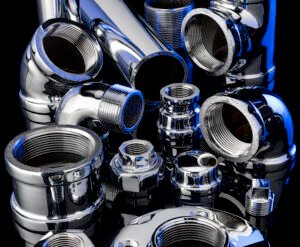
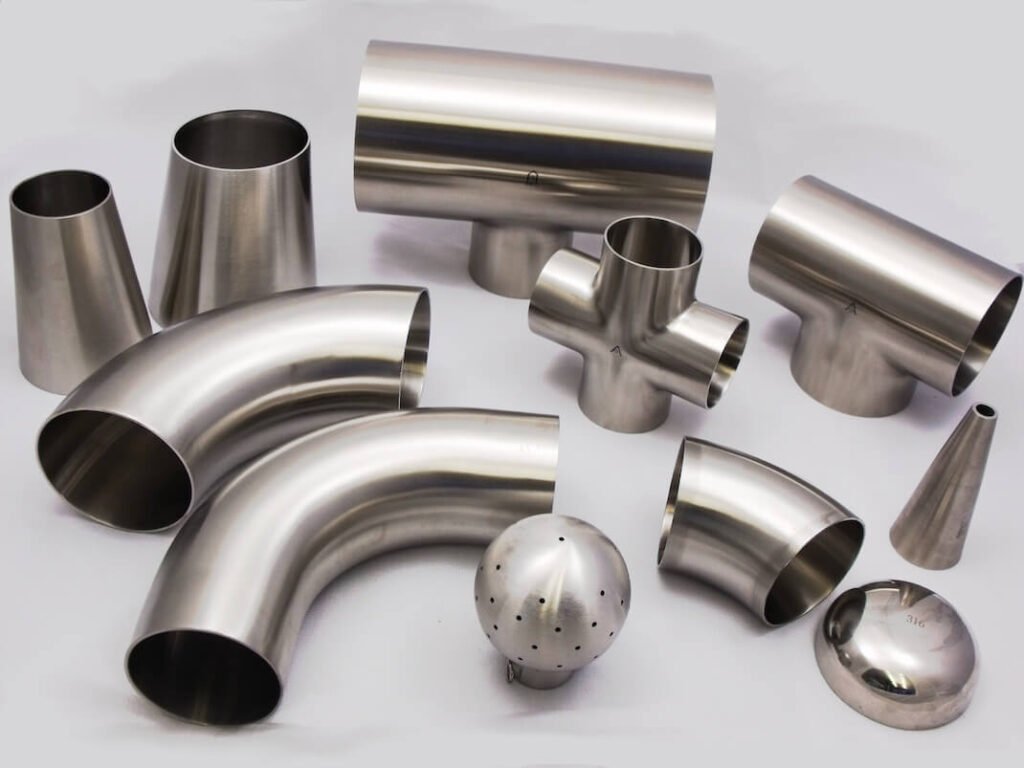
Common examples include elbows, tees, unions, couplings, adapters, reducers and compression fittings.
Unlike fittings designed for general plumbing applications, industrial tube fittings may need to withstand demanding pressure, temperature and environmental conditions. This makes material selection and connection design particularly important.
Why Choose Stainless Steel Tube Fittings?
Stainless steel is frequently selected for industrial applications because of its combination of strength and corrosion resistance.
In environments where tubing may be exposed to moisture, chemicals or process fluids, the material can provide useful resistance against corrosion. Stainless steel can also offer good durability across a wide range of industrial operating conditions.
The appropriate stainless steel grade should still be selected according to the specific application. Different processes may involve different temperatures, pressures and media, so a fitting that works well in one environment may not necessarily be suitable for another.
Common Applications
Stainless steel tube fittings can be found in a wide range of industrial systems.
In chemical processing, they may be used in fluid handling and instrumentation systems where resistance to process conditions is important.
In oil and gas facilities, fittings can form part of instrumentation and process piping arrangements.
In pharmaceutical and food processing environments, material selection and system cleanliness can be particularly important.
They are also commonly used in water treatment, power generation, petrochemical processing and industrial instrumentation.
Types of Stainless Steel Tube Fittings
The appropriate fitting depends on the function required within the system.
Elbows allow tubing to change direction, while tees create branch connections. Unions can allow sections of tubing to be disconnected for maintenance, and adapters can connect different connection types.
Compression fittings are also commonly used where a secure tube connection is required without conventional welding.
Selecting the correct type involves considering the tube dimensions, connection method, pressure requirements and operating environment.
Factors to Consider When Selecting Tube Fittings
Before purchasing stainless steel tube fittings, several technical factors should be reviewed.
The tube size needs to match the fitting dimensions. Pressure and temperature ratings should be appropriate for the operating conditions. The process medium should also be compatible with the selected material.
The connection type is another important consideration. Depending on the application, the system may require compression, threaded, welded or another type of connection.
Installation and future maintenance should also be considered. A fitting that is technically suitable but difficult to access or maintain may create unnecessary challenges later.
Supporting Industrial Piping Reliability
The performance of an industrial piping system depends on the compatibility of its individual components. Using appropriately selected fittings can help create secure connections while supporting the overall reliability of the system.
For this reason, businesses should consider more than price when sourcing fittings. Product quality, material specifications, manufacturing consistency and technical documentation can all be important when selecting industrial piping components.
Conclusion
Stainless steel tube fittings are versatile components used across numerous industrial piping and instrumentation applications. Their corrosion resistance, durability and range of available configurations make them suitable for demanding environments.
The right selection should always be based on the actual application, including tube dimensions, pressure, temperature, process media and connection requirements. By considering these factors carefully, industrial projects can establish piping connections that are better suited to their operating conditions.