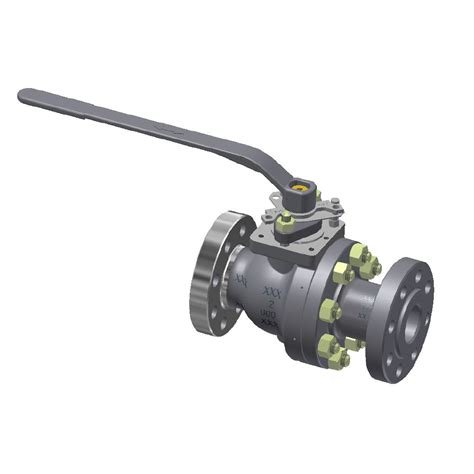
The rapid adoption of Industry 4.0 technologies is transforming industrial operations across India. From predictive maintenance to real-time process monitoring, smart manufacturing is driving the demand for intelligent flow control solutions. As a result, every leading ball valve manufacturer is increasingly integrating IoT capabilities into valve systems to improve operational efficiency, safety, and asset reliability.
In 2026, smart ball valves are no longer considered a futuristic innovation—they are becoming a practical requirement across industries such as oil and gas, chemical processing, power generation, pharmaceuticals, water treatment, and manufacturing.
The Evolution of Ball Valves
For decades, ball valves have been valued for their durability, tight shut-off capability, and ease of operation. However, as industrial plants become more connected, traditional manually operated valves are evolving into intelligent assets capable of communicating valuable operational data.
Today, a modern ball valve manufacturer is focusing not only on mechanical performance but also on integrating digital technologies that enable continuous monitoring and improved process control.
What Makes a Ball Valve “Smart”?
Smart ball valves combine conventional valve technology with sensors, actuators, communication modules, and Industrial Internet of Things (IIoT) connectivity.
These intelligent systems can monitor:
- Valve position
- Pressure levels
- Temperature
- Flow conditions
- Actuator performance
- Operating cycles
- Maintenance requirements
The collected data is transmitted to central control systems, allowing plant operators to monitor equipment health remotely and make informed operational decisions.
Why IoT Integration Is Driving Demand
Industries are increasingly investing in connected equipment to improve plant efficiency while reducing maintenance costs and unexpected downtime.
A forward-thinking ball valve manufacturer now designs products that support digital manufacturing initiatives through features such as:
Predictive Maintenance
Rather than waiting for equipment failures, IoT-enabled valves continuously monitor performance indicators and alert maintenance teams before issues become critical.
Real-Time Process Visibility
Operators can track valve status across multiple production lines from a central control room, improving operational transparency and reducing manual inspections.
Improved Safety
Remote monitoring reduces the need for personnel to access hazardous operating environments while enabling quicker responses to abnormal operating conditions.
Reduced Downtime
Continuous equipment monitoring allows maintenance activities to be scheduled proactively, minimising costly production interruptions.
Applications Across Industries
Smart ball valves are finding widespread adoption across multiple industrial sectors.
Common applications include:
- Oil & Gas processing
- Chemical plants
- Water and wastewater treatment
- Pharmaceutical manufacturing
- Food & Beverage production
- Power generation
- HVAC systems
- Industrial automation
These industries require accurate flow control while increasingly adopting digital technologies to optimise plant performance.
What to Look for in a Ball Valve Manufacturer
As technology continues to evolve, selecting the right ball valve manufacturer involves evaluating more than product specifications alone.
Engineering Expertise
Manufacturers should possess extensive experience designing valves for demanding industrial environments.
Material Quality
Valve materials should be selected based on pressure ratings, corrosion resistance, operating temperatures, and process compatibility.
Automation Compatibility
Modern valves should support electric or pneumatic actuators while integrating seamlessly with industrial automation systems.
Testing and Quality Assurance
Pressure testing, leak testing, material traceability, and compliance with recognised international standards remain essential quality indicators.
Technical Support
A reliable manufacturer should provide application guidance, installation assistance, and after-sales support throughout the equipment lifecycle.
Industry 4.0 Is Redefining Valve Manufacturing
As Indian industries continue investing in digital transformation, valve manufacturing itself is becoming increasingly automated.
Leading manufacturers are adopting:
- Smart manufacturing systems
- CNC precision machining
- Automated quality inspection
- Digital production monitoring
- Robotics-assisted manufacturing
- ERP-integrated production planning
These technologies improve manufacturing consistency while enabling faster production and higher product reliability.
The Road Ahead
India’s industrial automation market is expected to continue growing rapidly throughout 2026 and beyond. Smart factories, connected infrastructure, and Industrial IoT will increasingly rely on intelligent flow control systems capable of delivering both mechanical performance and valuable operational data.
Every progressive ball valve manufacturer that invests in innovation, automation, and digital integration will be better positioned to support the evolving needs of modern industries.
Conclusion
The integration of IoT technology is fundamentally changing how ball valves are designed, monitored, and maintained. Intelligent valves now play a crucial role in improving operational efficiency, enhancing safety, and supporting predictive maintenance strategies across industrial facilities.
As Industry 4.0 adoption accelerates, choosing an experienced ball valve manufacturer that combines engineering excellence with smart technology capabilities will be essential for organisations seeking reliable, future-ready flow control solutions in 2026.