India’s petrochemical industry is entering a new phase of expansion, driven by refinery upgrades, new chemical manufacturing facilities, and growing investments in downstream processing. As projects become larger and safety regulations become stricter, industries are placing greater emphasis on high-performance flow control equipment. This shift has significantly increased the demand for every block and bleed valve manufacturer capable of delivering reliable, certified, and application-specific valve solutions.
From Gujarat’s industrial belt to the expanding petrochemical hubs along India’s western and eastern coasts, block and bleed valves are becoming an essential component of modern process plants.
Why Block and Bleed Valves Are Critical
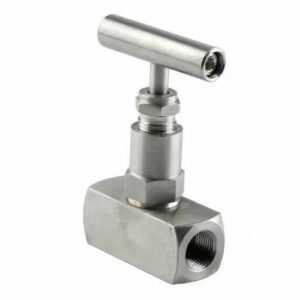
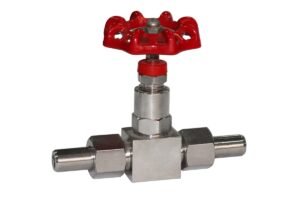
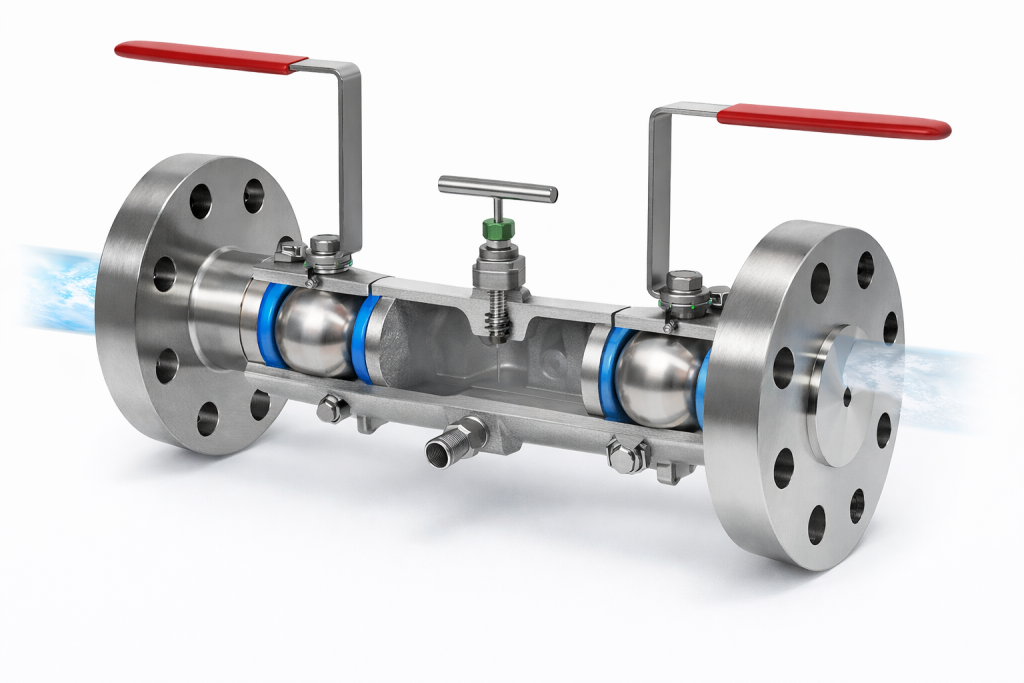
Block and bleed valves are designed to isolate process media while safely venting trapped pressure between isolation points. This dual functionality enhances operational safety, simplifies maintenance procedures, and reduces the risk of hazardous leaks during equipment servicing.
Unlike conventional valve arrangements requiring multiple individual components, integrated block and bleed valve assemblies provide a compact, efficient solution that minimises potential leak paths while improving plant reliability.
For industries handling high-pressure fluids, flammable gases, or hazardous chemicals, selecting an experienced block and bleed valve manufacturer has become increasingly important.
What’s Driving Demand in 2026?
Several industry trends are contributing to the growing adoption of block and bleed valves across India’s petrochemical sector.
Expansion of Refinery Capacity
India continues to invest heavily in refinery modernisation and capacity expansion to meet rising domestic and export demand. New process units require advanced valve systems capable of operating under demanding temperature and pressure conditions.
Stronger Safety Regulations
Industrial safety standards continue to evolve, placing greater emphasis on equipment reliability and isolation integrity. Block and bleed valves help facilities comply with operational safety requirements while supporting safer maintenance practices.
Process Automation
Modern petrochemical plants increasingly rely on automated process control systems that require dependable valve performance and consistent process isolation. High-quality valves contribute to improved operational efficiency and reduced downtime.
Reduced Maintenance Complexity
Integrated valve assemblies simplify piping layouts by replacing multiple separate valves with a single compact solution. This reduces installation space, maintenance requirements, and potential leakage points.
Applications Across Petrochemical Facilities
Block and bleed valves are widely used throughout upstream, midstream, and downstream operations.
Common applications include:
- Process isolation
- Instrumentation systems
- Pressure transmitter installations
- Sampling systems
- Chemical injection lines
- Pipeline maintenance
- High-pressure process lines
- Gas distribution systems
These applications demand precision engineering and dependable sealing performance under continuous operating conditions.
What to Look for in a Block and Bleed Valve Manufacturer
Choosing the right block and bleed valve manufacturer involves evaluating more than product pricing. Long-term reliability depends on engineering expertise, manufacturing quality, and technical support.
Product Quality
Manufacturers should produce valves that meet recognised industry standards while maintaining consistent machining accuracy and pressure integrity.
Material Selection
Different petrochemical processes require materials capable of resisting corrosion, high temperatures, and aggressive chemical exposure. Common material options include stainless steel, duplex stainless steel, alloy steel, and specialised corrosion-resistant alloys.
Pressure Ratings
Valve assemblies should be selected according to the application’s operating pressure, temperature range, and media characteristics to ensure safe long-term performance.
Testing and Certification
Reputable manufacturers provide pressure testing, material traceability, and quality documentation to support industrial procurement requirements.
Engineering Support
Technical guidance during product selection helps ensure compatibility with process conditions and industry specifications.
The Growing Focus on Operational Efficiency
As petrochemical companies pursue digital transformation and smarter maintenance strategies, equipment reliability has become a major operational priority.
Modern valve systems contribute by:
- Improving plant safety
- Reducing leakage risks
- Minimising maintenance downtime
- Supporting process reliability
- Lowering lifecycle costs
- Enhancing overall plant efficiency
Working with a trusted block and bleed valve manufacturer enables organisations to achieve these objectives while supporting long-term operational performance.
Looking Ahead
India’s petrochemical investments are expected to remain strong throughout 2026 and beyond. As production facilities expand and regulatory expectations continue to evolve, demand for high-performance isolation valves will continue to grow.
Manufacturers that combine engineering expertise, stringent quality control, and reliable customer support will be well-positioned to serve the country’s rapidly advancing industrial sector.
Conclusion
The rising demand for block and bleed valves reflects a broader shift towards safer, more efficient, and more reliable industrial operations. Whether supporting refinery expansion, chemical processing, or high-pressure instrumentation systems, selecting the right block and bleed valve manufacturer plays a critical role in ensuring operational safety and long-term performance.
As India’s petrochemical corridor continues to develop in 2026, businesses that prioritise quality, compliance, and engineering excellence will be better equipped to meet the evolving needs of modern industrial infrastructure.