Industrial processes can expose valves to challenging conditions, including corrosive fluids, elevated temperatures and high operating pressures. In these environments, material selection becomes an important part of valve specification.
SS316 stainless steel is widely considered for applications where corrosion resistance is required. When combined with the controlled flow characteristics of a needle valve, it can provide a practical solution for certain industrial instrumentation and process applications.
Selecting an experienced ss316 needle valve manufacturer can help ensure that the valve configuration, materials and specifications are aligned with the intended application.
What Is an SS316 Needle Valve?
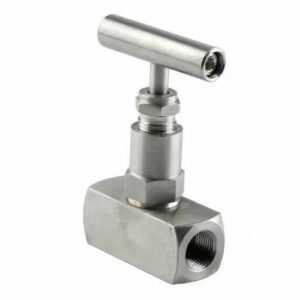
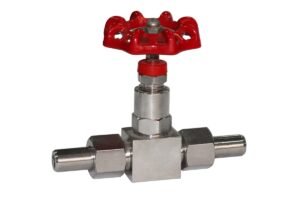
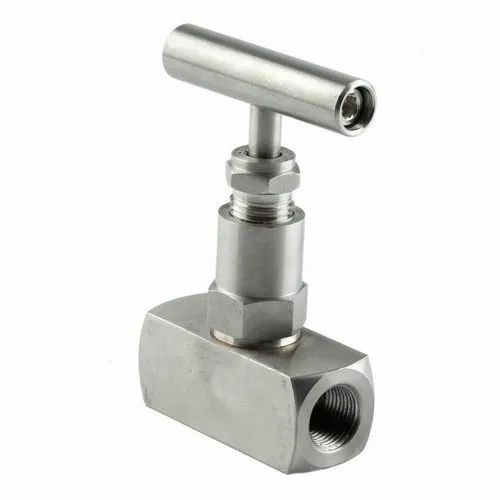
An SS316 needle valve combines the flow-control design of a needle valve with components manufactured from 316 stainless steel where specified.
The needle-shaped stem allows gradual adjustment of flow through the valve. This makes the design useful where controlled flow regulation is required.
SS316 is an austenitic stainless steel grade known for its corrosion resistance and is commonly considered for demanding industrial environments.
Why Is SS316 Used?
Material selection depends heavily on the operating environment.
SS316 can provide useful resistance to corrosion in many applications and may be considered where exposure to certain chemicals, moisture or other aggressive conditions is expected.
However, no material should be considered universally suitable for every process. Compatibility should be evaluated against the specific fluid, concentration, temperature and operating conditions.
Precise Flow Regulation
Needle valves are designed to provide controlled flow adjustment.
The valve’s tapered needle and seat arrangement allows operators to make gradual changes to the flow passage. This characteristic makes needle valves particularly useful in instrumentation systems where fine adjustment is required.
When combined with an appropriate stainless steel construction, they can be considered for demanding applications where both flow control and material performance matter.
Applications of SS316 Needle Valves
SS316 needle valves may be used across several industries.
Applications can include:
- Chemical processing
- Oil and gas
- Petrochemical systems
- Process instrumentation
- Hydraulic systems
- Water treatment
- Industrial gas systems
The exact valve specification should be determined according to the process conditions.
Important Selection Factors
Choosing an SS316 needle valve involves more than confirming the material grade.
Pressure rating should match the operating pressure of the system.
Temperature capability should be suitable for the process.
Media compatibility should be checked carefully, particularly where corrosive chemicals are involved.
Connection type should correspond with the existing tubing or piping system.
Valve size and flow requirements should also be considered to ensure the valve is appropriate for the intended function.
Choosing an SS316 Needle Valve Manufacturer
A reliable ss316 needle valve manufacturer should be able to provide clear information about materials, valve specifications, pressure ratings and testing.
Buyers may also want to consider manufacturing experience, quality-control processes, material verification, product documentation and the manufacturer’s ability to support project-specific requirements.
For industrial applications, traceability and documentation can be particularly valuable when products need to meet defined project specifications.
Maintenance Considerations
Even corrosion-resistant valves require appropriate inspection and maintenance.
Connections should be checked for leakage, while the valve body, stem and other accessible components should be inspected for signs of damage or corrosion.
Operating the valve correctly and maintaining it according to the manufacturer’s recommendations can help support reliable performance.
SS316 Is Not a One-Size-Fits-All Solution
Although SS316 can be an effective material choice for many demanding applications, selection should always be based on actual process conditions.
The concentration of chemicals, temperature, pressure and exposure conditions can all influence material suitability.
This is why technical consultation with the manufacturer or qualified engineering team can be valuable before finalising a valve specification.
Conclusion
SS316 needle valves combine the controlled flow characteristics of needle valves with the corrosion-resistant properties associated with 316 stainless steel.
They can be suitable for various industrial applications where precise flow control and material performance are important. However, the correct valve should always be selected according to the specific process requirements.
Working with a capable ss316 needle valve manufacturer can help businesses evaluate material, pressure, temperature, connection and testing requirements before selecting the appropriate valve for their application.