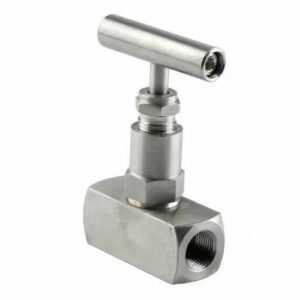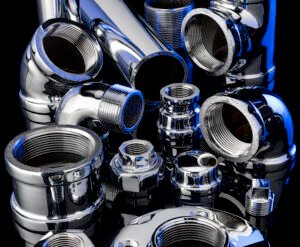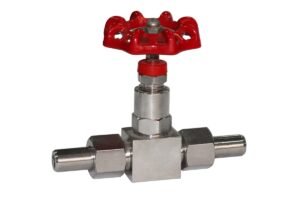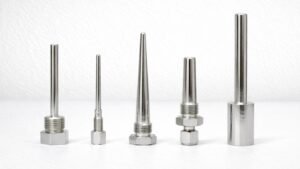
Pipe fittings are essential components in industrial piping systems. They allow pipes to change direction, create branches, connect different sections and transition between different pipe sizes.
Because fittings are part of the overall piping system, their quality and compatibility can influence installation and long-term performance.
For industrial projects, selecting the right pipe fittings manufacturer in India requires consideration of manufacturing capability, materials, specifications, quality processes and delivery reliability.
What Are Industrial Pipe Fittings?
Pipe fittings are components used to connect and modify piping systems.
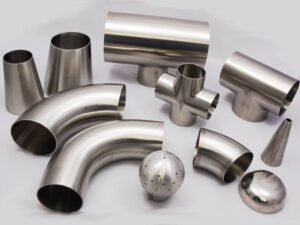
Common examples include elbows, tees, reducers, couplings, unions, crosses, caps and adapters.
Each fitting performs a specific function. An elbow changes direction, a tee creates a branch and a reducer allows connection between different pipe sizes.
Why Manufacturer Selection Matters
Industrial projects can involve large quantities of fittings and detailed technical specifications.
A manufacturer needs to be capable of producing products consistently according to the required dimensions and material specifications.
Quality issues affecting one component can create installation problems or require replacement, potentially affecting project schedules.
Consider the Product Range
A suitable manufacturer should offer products relevant to the project’s requirements.
Depending on the application, this may include different fitting types, sizes, materials and connection configurations.
A broad product range can simplify procurement, particularly when a project requires multiple types of fittings.
Evaluate Material Options
Industrial pipe fittings may be manufactured from stainless steel, carbon steel, alloy steel and other materials.
The appropriate material depends on the process conditions.
Factors such as corrosion, temperature, pressure and the properties of the process medium should be considered.
For example, stainless steel may be selected for applications where corrosion resistance is an important requirement.
Manufacturing and Quality Control
When evaluating a pipe fittings manufacturer in India, buyers should understand how the products are manufactured and inspected.
Relevant quality processes can include material inspection, dimensional checks, visual inspection and other testing appropriate to the product and application.
Consistent manufacturing processes help ensure that fittings supplied for a project meet the required specifications.
Standards and Project Specifications
Industrial projects may specify particular manufacturing standards or dimensional requirements.
The manufacturer should be able to understand and supply products according to the specifications applicable to the project.
Procurement teams should confirm these requirements before placing an order rather than assuming that all fittings are manufactured to the same specifications.
Material Traceability and Documentation
Documentation can be important for industrial projects, particularly where components form part of regulated or safety-critical systems.
Depending on the project, documentation may include material certificates, inspection records and product specifications.
Traceability can also help project teams verify the materials used in supplied components.
Production Capacity and Delivery
Product quality is only one part of successful procurement.
The manufacturer should also have sufficient production capacity to meet required quantities and delivery schedules.
For large projects, delays in piping components can affect fabrication, installation and commissioning activities.
Industries Using Industrial Pipe Fittings
Pipe fittings are used in industries including:
- Chemical processing
- Oil and gas
- Petrochemical
- Power generation
- Water treatment
- Pharmaceutical manufacturing
- Food processing
- General industrial manufacturing
Each industry can have different technical requirements.
Conclusion
Choosing a pipe fittings manufacturer in India should involve a review of technical capability, product range, material options, quality control, documentation and delivery capacity.
By evaluating the manufacturer against the project’s actual requirements, businesses can make more informed procurement decisions and reduce the risk of unsuitable or inconsistent piping components.