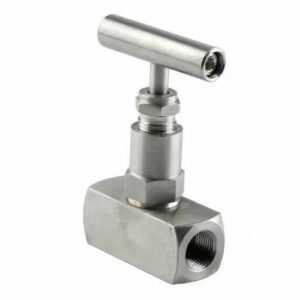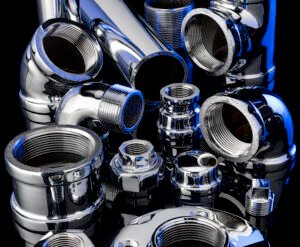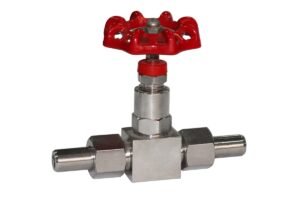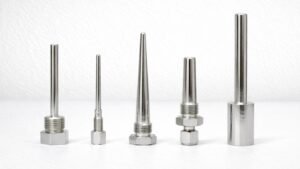
As India’s industrial and infrastructure sectors continue to expand, product quality and regulatory compliance have become critical factors in procurement decisions. For every compression fittings supplier, meeting recognised quality standards is no longer optional—it’s becoming a competitive necessity. With increasing emphasis on the Bureau of Indian Standards (BIS), the industry is witnessing a significant shift in how compression fittings are manufactured, supplied, and evaluated.
In 2026, BIS certification is influencing not only manufacturers but also distributors, EPC contractors, and buyers looking for reliable compression fittings for water supply, gas distribution, instrumentation, and industrial piping systems.
Why BIS Certification Matters
BIS certification is designed to ensure that products meet established Indian quality, safety, and performance standards. For compression fittings used in critical applications, consistency in material quality, dimensional accuracy, pressure handling, and corrosion resistance is essential.
A compression fittings supplier offering BIS-compliant products demonstrates a commitment to delivering products that align with national quality benchmarks. This provides buyers with greater confidence during procurement and reduces the risks associated with inferior or non-compliant components.
How the Supplier Landscape Is Changing
The compression fittings market has traditionally been highly competitive, with suppliers competing primarily on pricing. However, regulatory expectations and customer awareness are shifting the focus towards quality assurance and long-term reliability.
Today’s procurement teams increasingly assess suppliers based on:
- Product certifications and compliance
- Manufacturing quality standards
- Material traceability
- Technical documentation
- After-sales support
- Supply consistency
As a result, suppliers that invest in compliance and quality management are better positioned to serve government projects, industrial facilities, infrastructure developments, and large commercial applications.
Growing Demand Across Industries
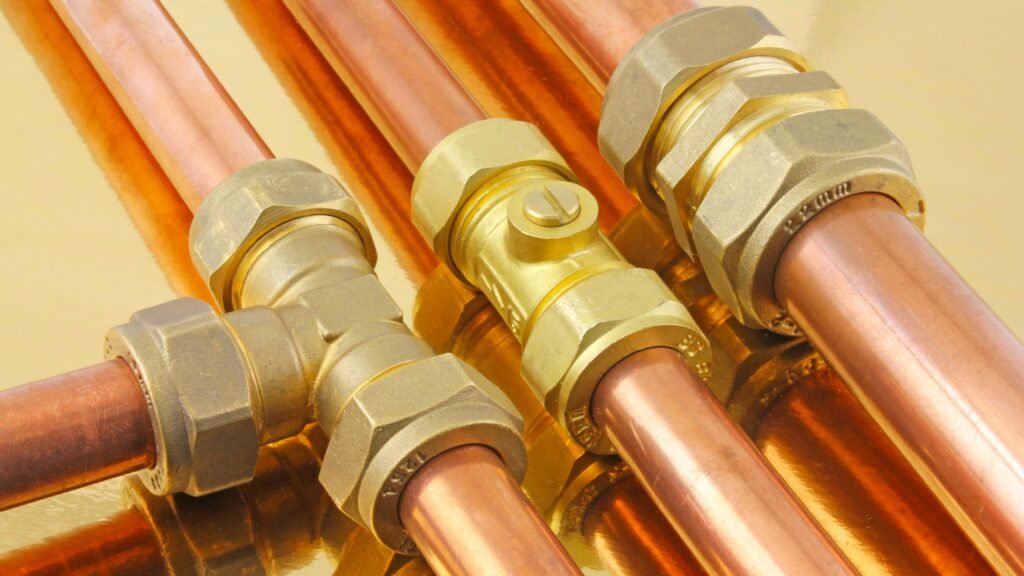
Compression fittings are widely used in industries where secure, leak-proof connections are essential. Demand continues to grow across sectors such as:
- Water treatment plants
- Oil and gas facilities
- Chemical processing
- Food and beverage manufacturing
- Pharmaceutical production
- HVAC systems
- Industrial automation
- Infrastructure and utilities
Each of these industries requires reliable fittings capable of performing under varying temperatures, pressures, and operating conditions. Working with an experienced compression fittings supplier helps ensure product compatibility and long-term operational performance.
What Buyers Should Evaluate Before Choosing a Supplier
Selecting the right supplier involves more than comparing prices. Procurement teams should evaluate several factors before making purchasing decisions.
Manufacturing Quality
Look for suppliers that maintain consistent production processes and rigorous quality inspections to ensure every fitting meets required specifications.
Product Range
A supplier offering a comprehensive range of sizes, materials, and fitting configurations simplifies sourcing and supports future project scalability.
Technical Support
Engineering support, installation guidance, and product selection assistance add significant value, particularly for specialised industrial applications.
Inventory Availability
Reliable stock availability and efficient delivery timelines help minimise project delays and operational disruptions.
Compliance Documentation
A professional supplier should provide relevant certifications, material test reports, and technical documentation whenever required.
The Competitive Advantage of Compliance
As regulatory standards continue to evolve, compliance is becoming a key differentiator within the industry. Suppliers that proactively align with BIS requirements strengthen their credibility and improve their ability to participate in larger industrial and government projects.
For buyers, sourcing from a compliance-focused compression fittings supplier reduces procurement risks, supports quality assurance objectives, and contributes to improved lifecycle performance of piping systems.
Looking Ahead to 2026
India’s manufacturing sector is steadily moving towards higher quality standards and increased regulatory oversight. This trend is expected to accelerate over the coming years as industries prioritise product reliability, safety, and sustainability.
Suppliers that embrace certification, invest in quality management, and maintain transparent manufacturing practices will be well-positioned to support evolving market demands.
Conclusion
The role of a compression fittings supplier is expanding beyond simply supplying products. Today’s buyers expect quality assurance, technical expertise, dependable supply chains, and compliance with recognised industry standards.
As BIS certification continues to reshape procurement practices across India in 2026, businesses that prioritise certified, high-quality compression fittings will be better equipped to achieve operational efficiency, regulatory compliance, and long-term project success.