Choosing the right flange is critical for ensuring the safety, efficiency, and longevity of any industrial piping system. Whether you’re designing a new plant or upgrading an existing pipeline, selecting the appropriate flange type can significantly impact system performance and maintenance costs.
If you’re working with a trusted Pipe Flange Manufacturer, one of the most common decisions you’ll face is choosing between Weld Neck Flanges and Slip-On Flanges. While both are widely used across industries, they serve different purposes depending on pressure, temperature, and operating conditions.
This guide explains the differences between these two flange types and helps you determine which is the best choice for your application.
Understanding Pipe Flanges
Pipe flanges are mechanical components used to connect pipes, valves, pumps, and other equipment in industrial piping systems. They provide secure, leak-resistant joints while allowing easy inspection, maintenance, and replacement of system components.
The performance of a flange depends not only on its material but also on its design and suitability for the intended application.
What Is a Weld Neck Flange?
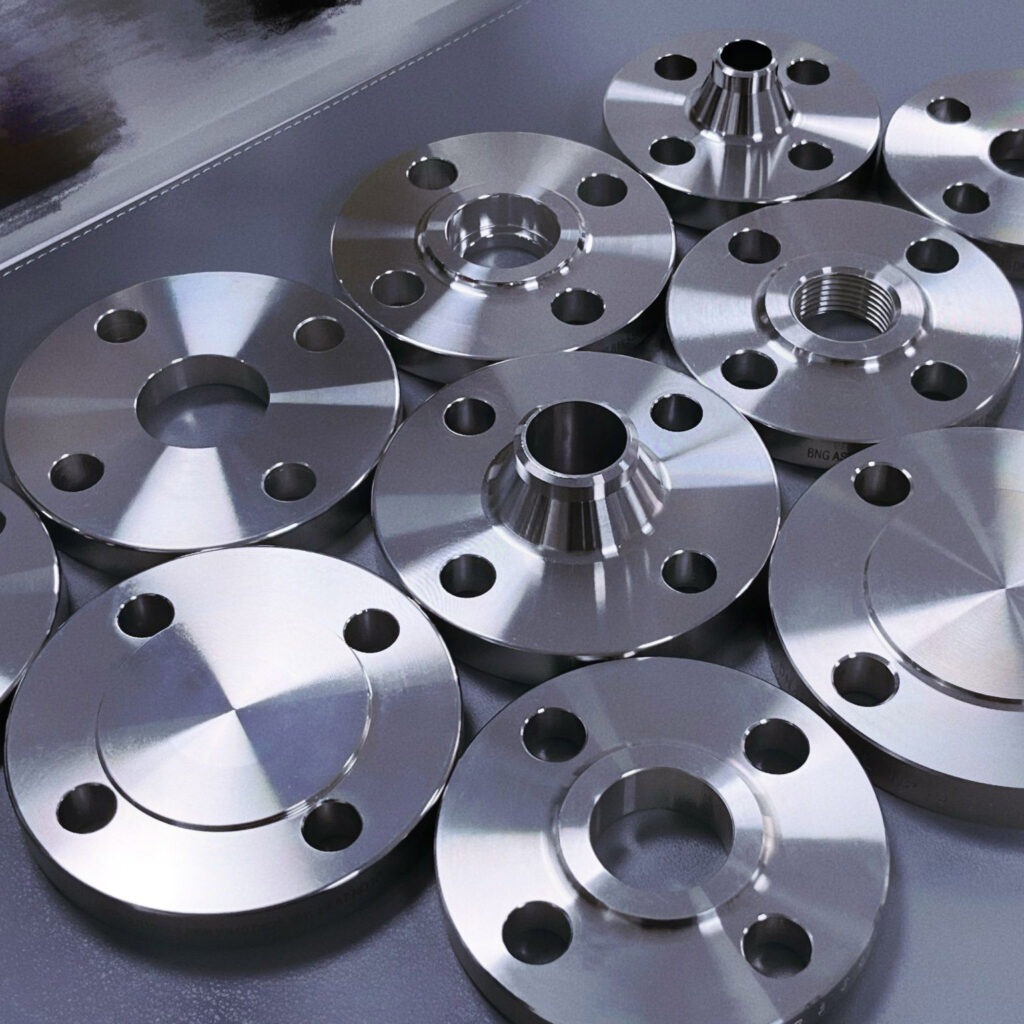
A Weld Neck Flange features a long tapered hub that is welded directly to the pipe. This design provides a gradual transition of stress between the flange and the pipe, making it ideal for demanding operating environments.
Key Benefits
- Excellent strength under high pressure
- Superior resistance to stress and vibration
- Reduced risk of leakage
- Suitable for extreme temperatures
- Longer service life
- Ideal for critical process applications
Because of its robust design, weld neck flanges are widely used in industries where safety and reliability are essential.
What Is a Slip-On Flange?
A Slip-On Flange is designed to slide over the pipe before being welded in place. It requires welding on both the inside and outside of the flange to create a secure connection.
Slip-on flanges are generally easier to install and are commonly used in low- to medium-pressure piping systems.
Key Benefits
- Simple installation
- Lower fabrication costs
- Suitable for moderate operating conditions
- Easy pipe alignment during assembly
- Cost-effective for non-critical systems
Although they are versatile, slip-on flanges are not typically recommended for highly demanding applications.
Weld Neck vs. Slip-On Flanges: Key Differences
Pressure Performance
Weld neck flanges are specifically designed to handle high-pressure applications. Their tapered hub distributes stress evenly, reducing the likelihood of fatigue and failure.
Slip-on flanges perform well in lower-pressure systems but may not offer the same level of structural integrity under extreme operating conditions.
Installation
Slip-on flanges are generally quicker and easier to install, making them a practical choice for projects where installation efficiency is important.
Weld neck flanges require precise butt welding, which involves more skilled fabrication but delivers greater long-term reliability.
Durability
Weld neck flanges typically provide a longer service life due to their superior stress distribution and stronger welded connection.
Slip-on flanges perform reliably in many applications but may experience greater stress concentrations over time.
Cost
Slip-on flanges usually have a lower initial purchase and installation cost.
Weld neck flanges often involve a higher upfront investment but can reduce maintenance and replacement expenses throughout the system’s lifespan.
Which Flange Is Better for High-Pressure Piping?
For high-pressure and high-temperature piping systems, weld neck flanges are generally the preferred choice. Their design provides exceptional strength, leak resistance, and durability, making them suitable for demanding industrial environments.
They are commonly used in:
- Oil & Gas facilities
- Petrochemical plants
- Refineries
- Power generation plants
- Chemical processing facilities
- Offshore platforms
Slip-on flanges are better suited for applications involving moderate pressures where ease of installation and cost savings are primary considerations.
Factors to Consider Before Choosing
Before selecting a flange type, evaluate the following:
- Operating pressure
- Temperature conditions
- Type of fluid or gas being transported
- Corrosion resistance requirements
- Maintenance accessibility
- Installation complexity
- Project budget
- Industry standards and specifications
Consulting an experienced engineering team can help ensure the most appropriate selection for your piping system.
Why Work with an Experienced Pipe Flange Manufacturer?
Choosing the right flange design is only part of the equation. The quality of manufacturing plays an equally important role in system reliability.
A reputable Pipe Flange Manufacturer offers:
- Precision-engineered products
- High-quality raw materials
- Advanced CNC machining
- Strict dimensional inspections
- Custom manufacturing capabilities
- Reliable production for industrial applications
Working with a trusted manufacturer helps ensure consistent performance, reduced downtime, and long-term operational efficiency.
Why Choose Metalok Industries?
At Metalok Industries, we manufacture precision industrial flanges for a wide range of industries, including oil & gas, chemical processing, power generation, water treatment, and manufacturing. Our commitment to quality, precision machining, and rigorous quality control ensures every flange delivers dependable performance under demanding operating conditions.
Whether your project requires weld neck, slip-on, or custom-engineered flange solutions, our experienced team can help you select products that meet your technical and operational requirements.
Final Thoughts
Both weld-neck and slip-on flanges have their advantages, but the right choice depends on your application’s pressure, temperature, and performance requirements. While slip-on flanges offer cost-effective installation for moderate-duty systems, weld neck flanges remain the preferred solution for high-pressure piping where safety, durability, and reliability are essential.
When sourcing industrial flanges, partnering with a trusted Pipe Flange Manufacturer ensures you receive high-quality products designed to perform consistently in even the most demanding industrial environments.